
Metal components · UK-based project support
From Prototype Parts to Repeat Production
Mr Europe helps businesses source manufactured metal components and assemblies, with UK-based project communication and manufacturing options in the UK and Europe. Discuss your drawings, material specification, quantities and target date so we can assess a suitable route from prototype parts to repeat production.
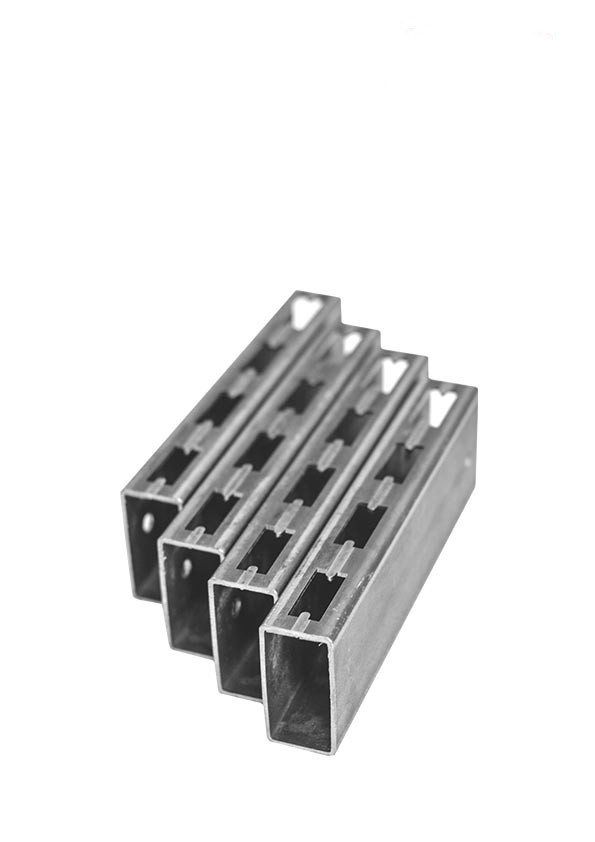
The existing range includes wire components, formed sheet-metal details, profiles and fabricated assemblies. These examples show component formats you can discuss; they do not establish a material grade, tolerance or previous customer project.
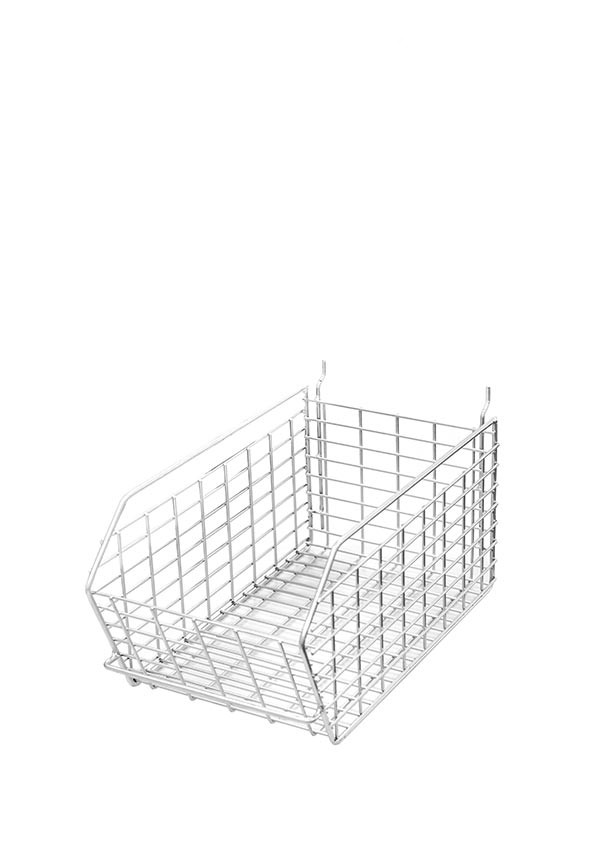
Bent wire elements, baskets, hooks and frames can form part of a component or assembly brief. Specify the required shape, mounting points and intended function.
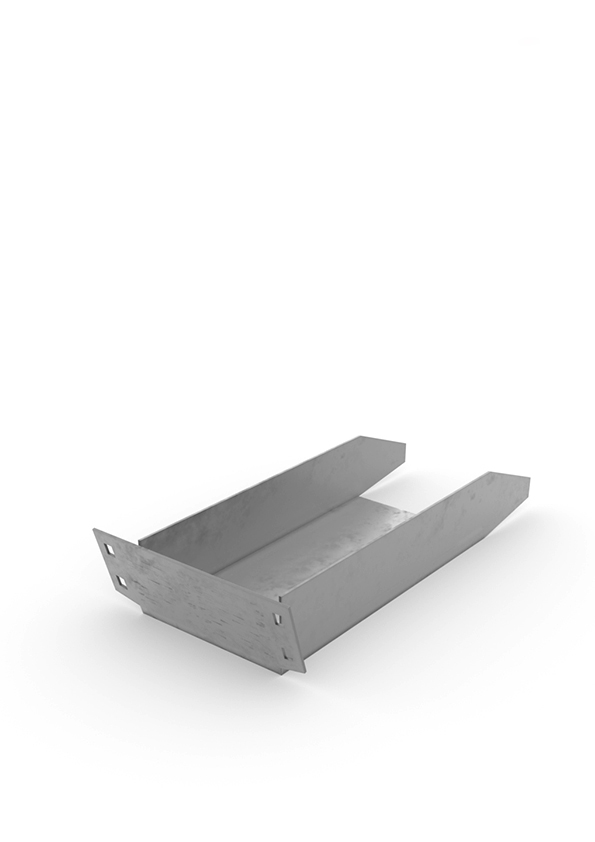
Discuss brackets, panels, trays, holders and mounting parts. Provide the flat or formed geometry, fixing details and critical dimensions needed for the component to fit.
Perforated profiles, frames and joined components can be assessed against the agreed drawing. State whether you need separate parts, a welded assembly or a finished subassembly.
Define the supply scope at the start: individual parts, welded assemblies, coated subassemblies or a complete fabricated product. Any bought-in parts, fitting work and final assembly need to be included in the agreed quotation.
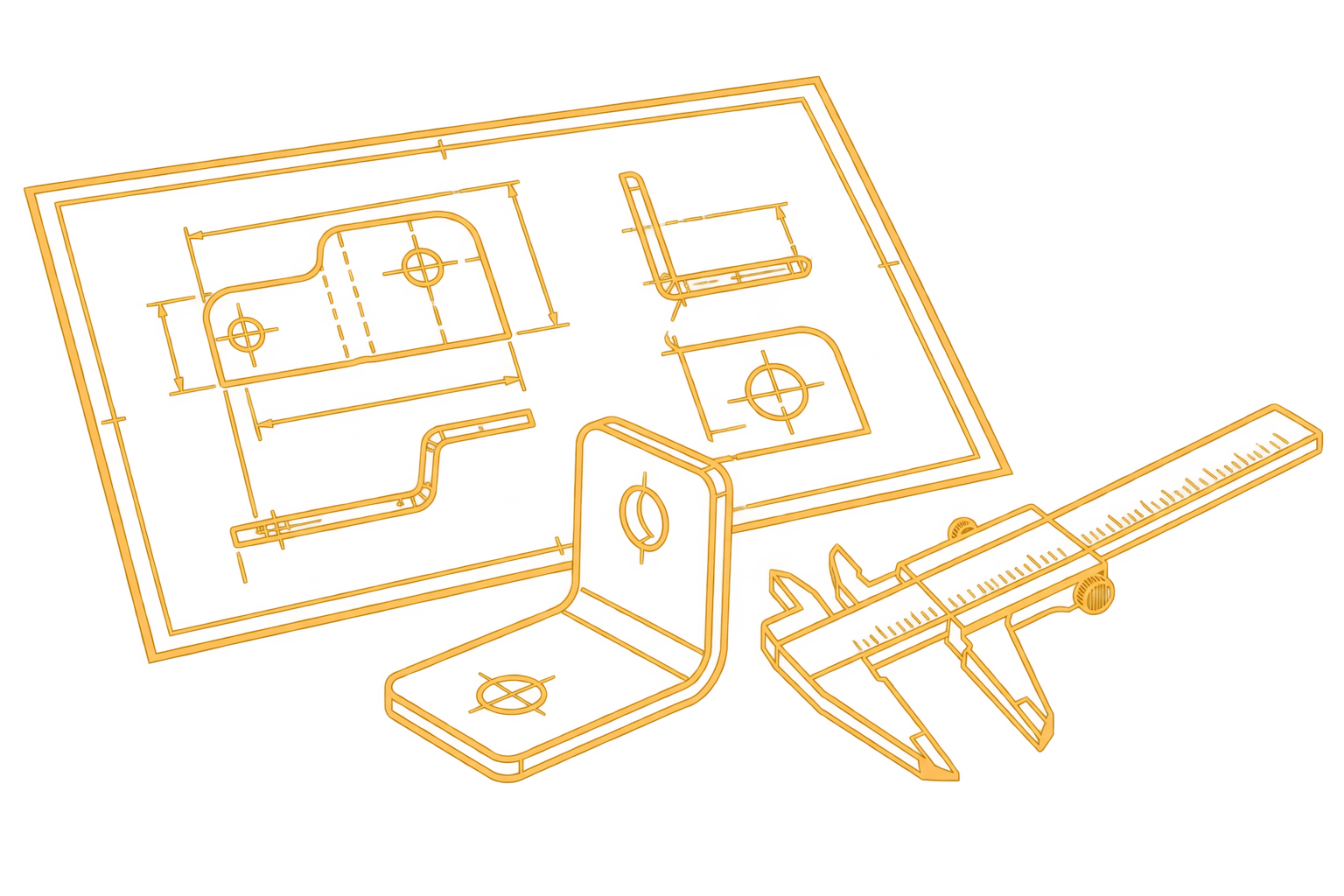
Start with your drawing and revision reference, where available, so the component requirements can be reviewed. Include the intended use, mating parts and any dimensions that are critical to fit or function.
If you have a concept, sample or existing part rather than a complete drawing, describe what is available and which requirements are already defined. Agree the development work and production specification before manufacture.
Use the existing enquiry form to introduce the requirement and ask how best to share drawings or arrange a sample review. File formats, any design-for-manufacture input and responsibility for engineering approval need to be agreed for the project.
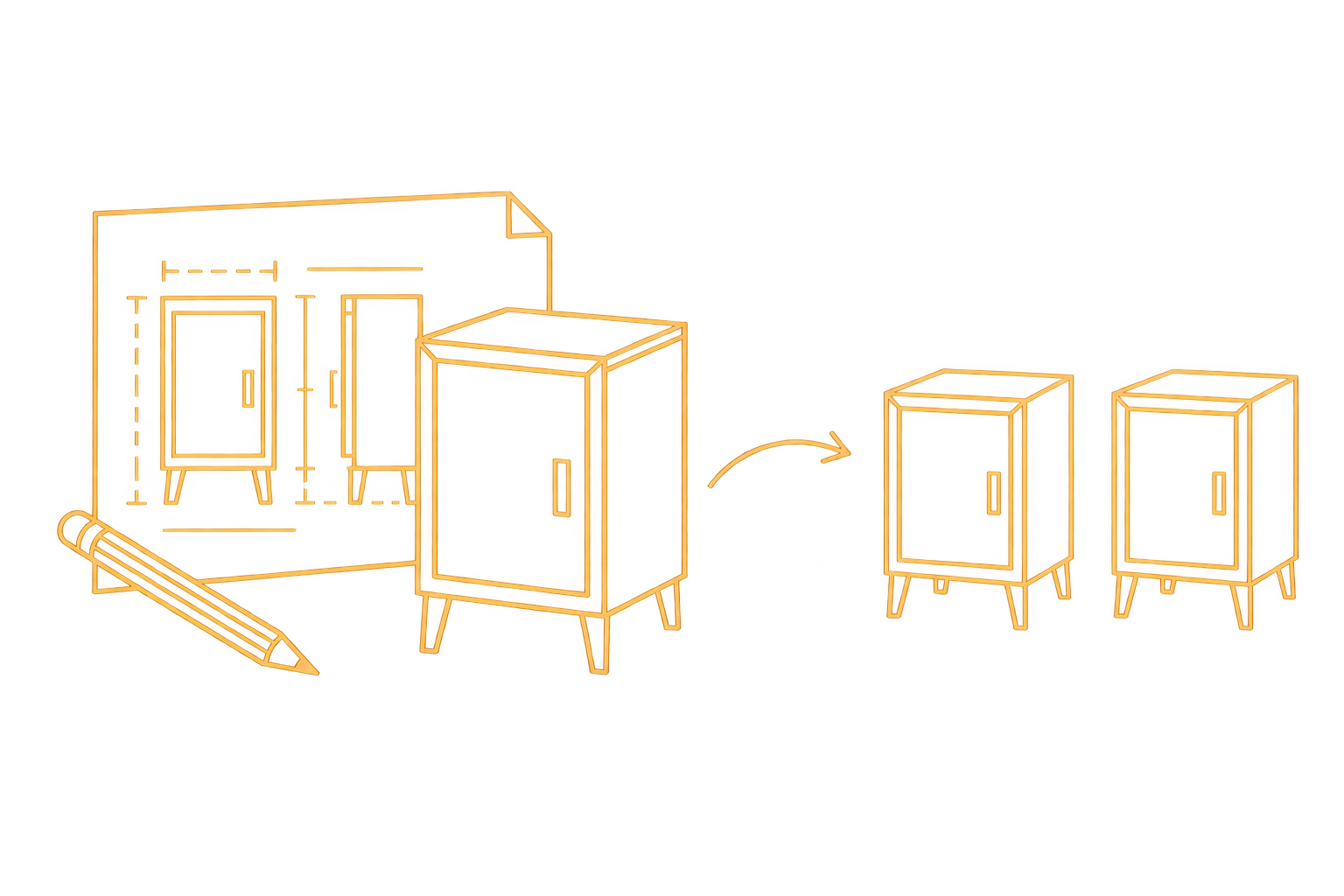
Yes. Prototype-to-production support is available for bespoke manufacturing requirements. Agree what the prototype or initial sample needs to demonstrate, its scope, cost and review arrangements before proceeding.
For short runs or repeat orders, provide the expected quantities and ordering pattern. Each quotation needs a defined specification; prototype timing and production timing should be assessed separately.
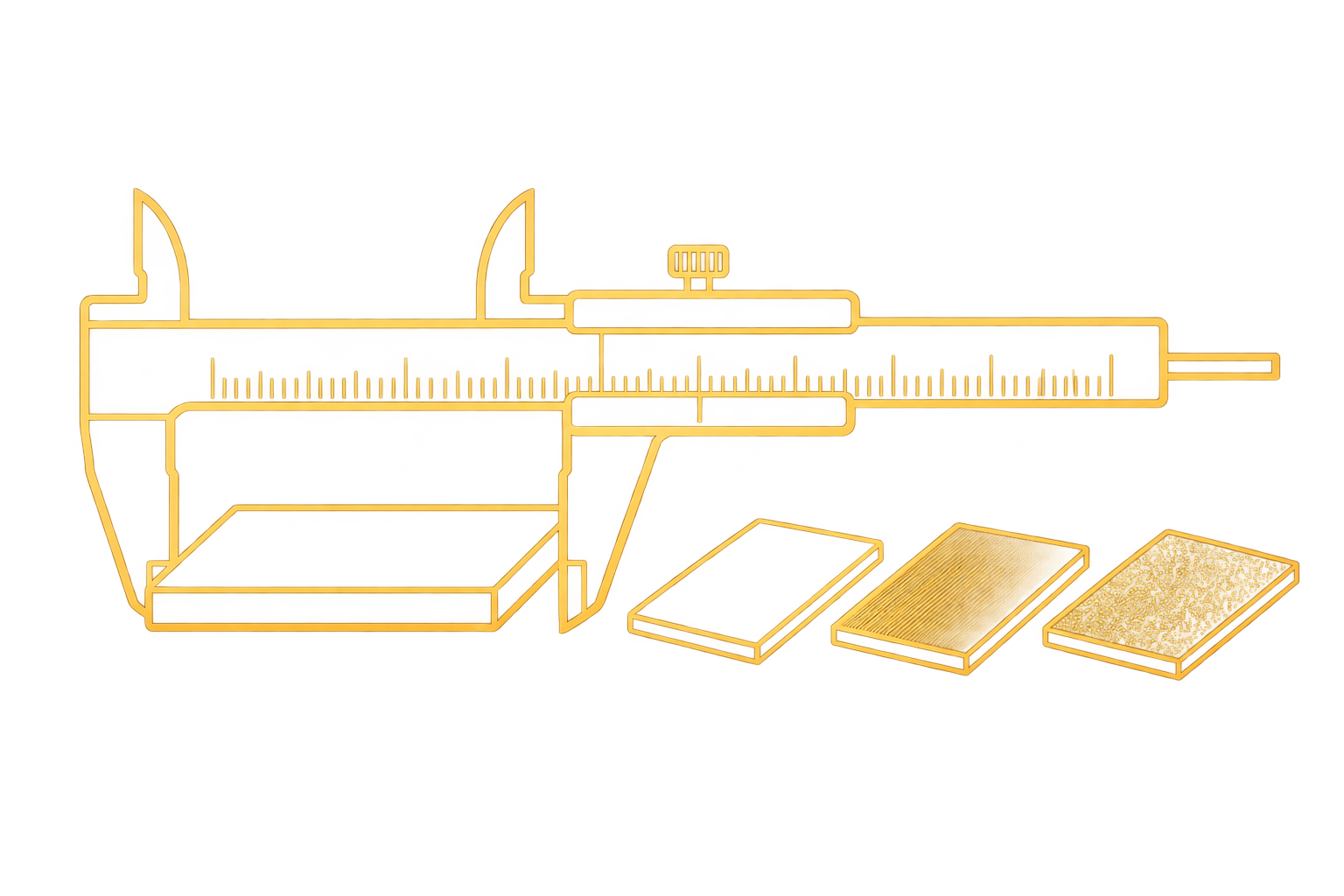
These requirements must be reviewed against the proposed process and production route. State the exact material grade and condition rather than relying on a broad description such as “steel”.
Powder coating is a documented finishing option. Its suitability, preparation and finish specification need to be agreed for the selected component and material.

Define the requirements before committing to production. Your enquiry should identify the drawing revision, acceptance criteria, inspection points and documentation you require so the proposed scope can be assessed.
Agree who approves the drawing, sample and any changes, and what evidence is needed before release. For repeat orders, state the approved revision and flag any change to materials, finish, quantity or use.
Request confirmation of any inspection report, material certificate or testing requirement in the quotation. The documents and checks available depend on the agreed production route and scope.

Material grade, part size and complexity, processes, tolerances and quantity all affect the quotation. Tooling or setup, prototypes, coating, assembly, inspection documents, packing and delivery also need to be included in the scope.
Bringing European Prices to the UK. A complete specification helps the team assess a relevant production route and quotation. Include repeat-order expectations and ask for any development or tooling charges to be identified separately.

Share your required delivery date and expected repeat-order schedule early so feasibility can be assessed. Fast turnaround is a priority; timing depends on specification review, material availability, tooling, approvals, quantity, finishing and the production schedule.
Allow separate time for prototype review and production. Confirm the agreed dates and delivery arrangements before placing the order, particularly where an initial sample must be approved first.